
| THE SHORT VERSION 1. Start with purpose. Decide what you want your giving to accomplish before talking taxes. 2. Give smarter assets.Appreciated stock, real estate, or mineral interests may be more tax efficient than cash. 3. Revisit the 2026 tax rules. New limits and deductions may change when and how you give. 4. 70½ or older? Use your IRA. A QCD can be tax-free and count toward your RMD. 5. Start now. Complex gifts take time, so don’t wait for late December. |
As year-end approaches, your inbox and mailbox are likely filling up with reminders, tax tips, and appeals from organizations you love. It can feel like a lot. The good news? Thoughtful year-end giving can be simple. At Permian Basin Area Foundation, we’re always glad to help you sort through the noise, work alongside your advisors, and focus on what matters most to you.
Here are five steps to help you get started:
1. Start with what you want your giving to accomplish.
Before talking with your advisors about deductions or which assets to give, begin with the most important question: What do you want your generosity to do?
For Jimmie and Dorothie Mashburn of Stanton, the answer was simple. “All we’re hoping to do is give a youngster an opportunity to prepare for a successful career they will enjoy,” Jimmie said in 2001, when the couple created a scholarship fund for Martin County students. Their estates later funded a second endowment, so their purpose continues today.
Maybe you want to keep supporting the organizations you give to each year. Or perhaps you’d like to respond to a new community need, involve your children or grandchildren, or set aside resources now to decide later.
Wherever you’re starting, Permian Basin Area Foundation can help you give with the end in mind. We’ll gather information on the causes you care about, introduce you to organizations you may not know yet, and share what we’re learning about needs across our communities. Serving 23 counties across West Texas, we know the nonprofits doing the work.
“I have worked with families who have unique charitable goals—they see PBAF as a reliable partner.”
-Tracy Elms,CPA, Midland
2. Look at what you give, as well as how much.
Writing a check or using a credit card is convenient, but cash isn’t always the most tax-efficient way to give. If you own stock or other assets that have grown in value, giving them directly to your fund at PBAF or another charity may help you avoid capital gains tax you would owe if you sold them first. You may also qualify for a deduction based on fair market value, subject to applicable rules and limits.
This is where we can be especially helpful. In addition to publicly traded stock, we can accept more complex assets, such as closely held business interests and real estate
In the Permian Basin, that includes oil and gas royalty interests. Our founding chairman, Midland independent oil operator Deane Stoltz, created the Stoltz Royalty Endowment, which still makes annual grants to the charities he designated. Through West Texas Heritage Holdings, our affiliate for real estate and other non-cash gifts, we’ve facilitated more than $12 million in real estate transactions.
If you’re thinking about selling an appreciated asset, talk with us and your advisors first. A conversation before the sale can open up options that may disappear once it’s complete.
3. Take a fresh look at the 2026 tax rules.
This year brought important changes to the federal rules for charitable giving:
- If you itemize, you can generally deduct charitable gifts only to the extent they exceed 0.5% of your adjusted gross income.
- If you’re in the highest federal tax bracket, the maximum tax benefit of itemized deductions is generally reduced from 37% to 35%.
- If you don’t itemize, you may now deduct up to $1,000 ($2,000 for married couples filing jointly) for qualifying cash gifts to certain public charities. Gifts to donor-advised funds, private foundations, and certain other organizations don’t qualify.
What does this mean for you? The timing and structure of your giving may deserve another look. For example, some donors benefit from “bunching” several years of gifts into a single year. We’re happy to work alongside your tax advisor to find an approach that fits both your goals and your tax situation.
4. If you’re 70½ or older, remember your IRA.
A qualified charitable distribution (QCD) is one of the most useful giving tools for eligible IRA owners. In 2026, if you’re 70½ or older, you may give up to $111,000 directly from your IRA. A QCD is excluded from taxable income and, if you’re subject to required minimum distributions, can count toward your RMD.
QCDs can’t go to donor-advised funds, but PBAF offers other funds that can receive them, including designated funds that support specific charities, field-of-interest funds focused on a cause, and unrestricted funds that help us respond to changing needs across our communities.
Past campers of Camp Mitre Peak, the Girl Scout camp that has operated since 1947, do exactly this. Many support the camp’s endowment at PBAF with appreciated stock and IRA required minimum distributions, giving back to a place they love while managing their taxes.
If you’re eligible, ask us and your advisors whether a QCD makes sense for your year-end giving.
5. Start now (please don’t wait until late December!)
The simplest tip may be the most important: start now.
Stock transfers take time. Gifts of real estate, business interests, mineral interests, and other complex assets may need appraisals, review, and coordination with several advisors. Even a simple plan gets harder when everyone is racing toward December 31.
Now is a great time to look at what you’ve given this year, what you still hope to accomplish, and which assets make the most sense to use.
And you don’t have to figure it out alone. Invite our team into the conversation with your CPA, financial advisor, or estate planning attorney. We’ll help you explore your options, coordinate the charitable pieces of your plan, and keep the focus where it belongs: using your generosity to make a difference in the causes you care about.
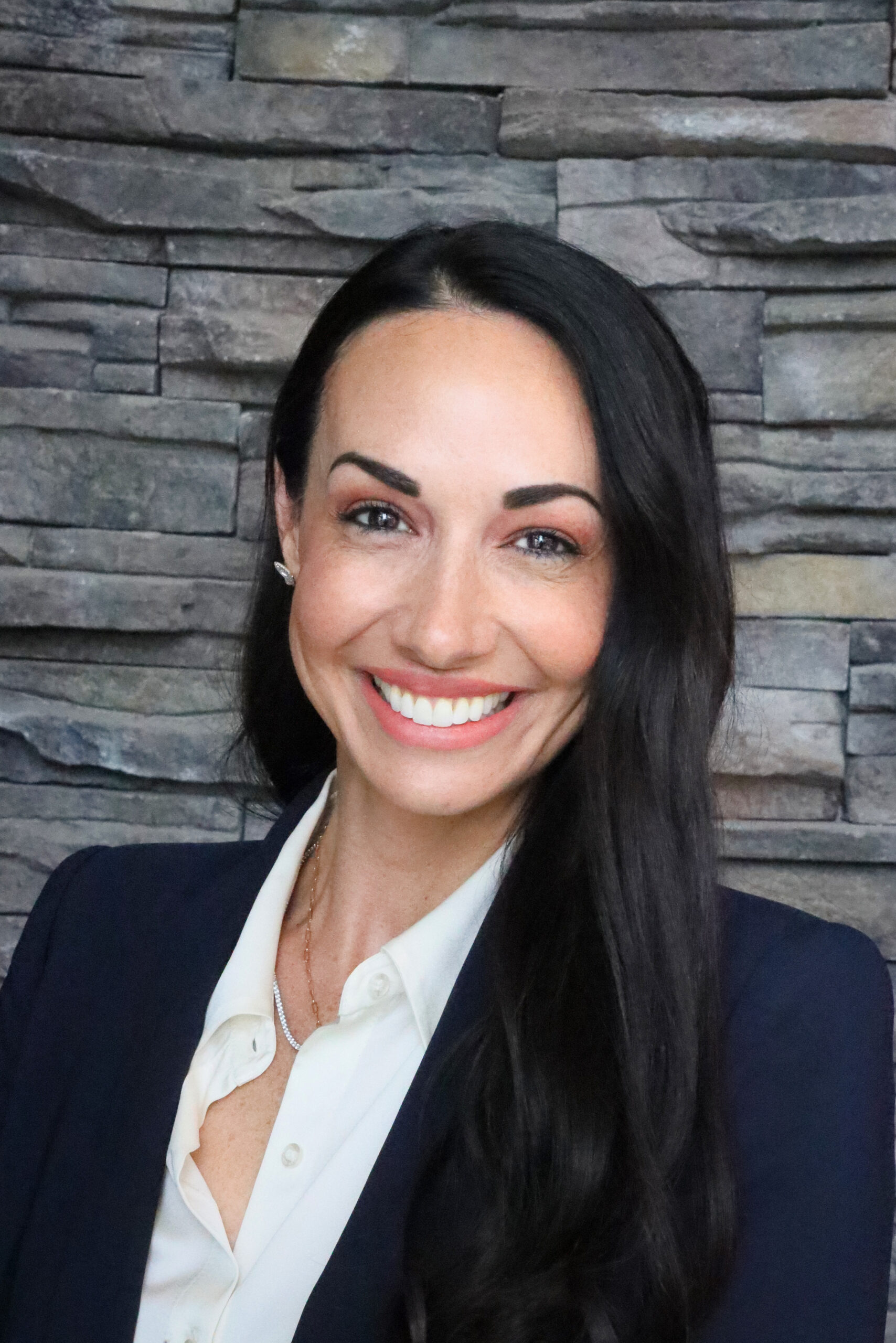
“Every donor I meet has a story behind their giving. Whether it’s family land, mineral interests, or a lifetime of hard work, helping them turn that story into a lasting gift for their community is the best part of my job.”
Bethany Etheredge, Development Officer
Disclaimer
This content is for general informational purposes only. Permian Basin Area Foundation does not provide legal, tax, or financial advice. Please consult your own advisors before making any charitable giving or financial decisions.